Sun Mode

updated 12.18.25
Omro / App & Product
Friendship that starts with presence.
Building a device that sparks meaningful encounters between strangers rooted in showing up, not performing online.
Role
Product Designer
Timeline
11 weeks
March – June 2025
Team
Gerri Zhou
Haipei Chen
Elisha Jeon
Skills
Overview
How do we spark meaningful encounters between strangers in everyday spaces?
As a group of designers curious about how people connect today, we set out to understand what authentic socialization means in a world of performative interactions. Over 11 weeks, we explored this gap and created Omro — a pocket-sized passive device that connects people whose paths cross with a companion app.
The Problem
We're more connected than ever. So why does it feel so lonely?
Physical proximity isn't enough anymore.
The way people socialize has fundamentally shifted. Digital platforms dominate how we connect, but these interactions often feel performative, fragmented, or emotionally distant.
We surveyed 57 people. 47 said they don't talk to someone they're curious about simply because they "never cross paths."
But the thing is they do cross paths — they see each other at the coffee shop, on the train, in the same building. The issue isn't physical proximity. It's that crossing paths isn't enough to spark conversation compared to a mutual friend, visible shared interest, or a known reason to say hello.
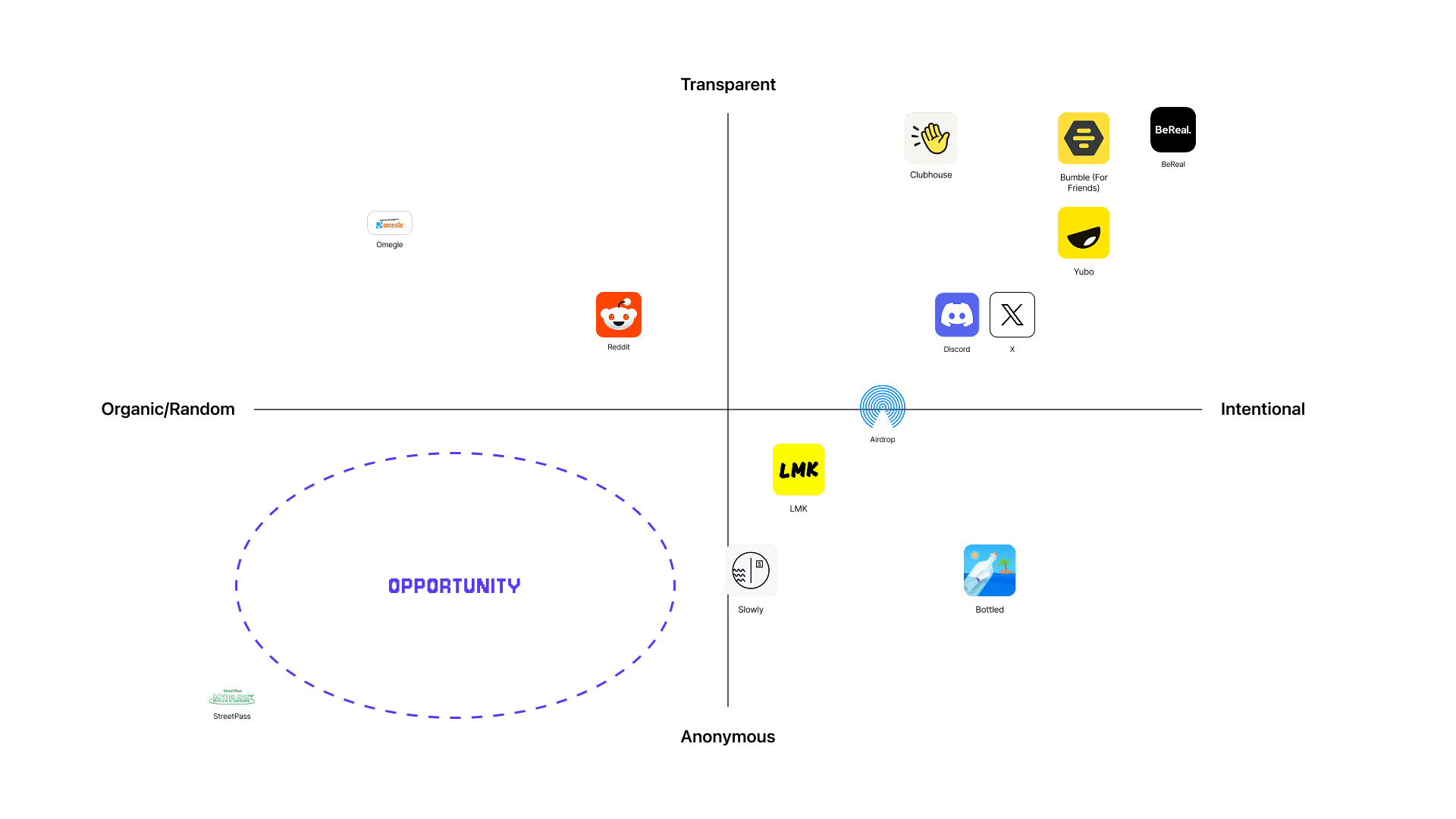
Social apps allow you to pick and choose who you talk, leaving open opportunity to build for natural encounters.
Opportunity
Making the first move easier with serendipity.
Giving a reason to talk.
The hardest part of meeting someone new is the “why.” Omro gives you that reason by centering serendipity — two people, in the same place, at the same time.
We wanted to celebrate those everyday intersections: the person you keep seeing at the coffee shop, the stranger whose routine overlaps with yours, the potential friend you’d never otherwise have an excuse to talk to.
HIGH-LEVEL GOALS
Remove the performance
No profiles to curate, no swiping, no awkward DMs. People want sincere connection, not small talk.
Make initiation easier
Create the context and permission to say hello, breaking down social barriers to meeting new people.
Reward showing up
Physical proximity should mean something again. Value routine, rhythm, and real-world overlap.
Solution
Introducing Omro
A passive device that rewards presence.
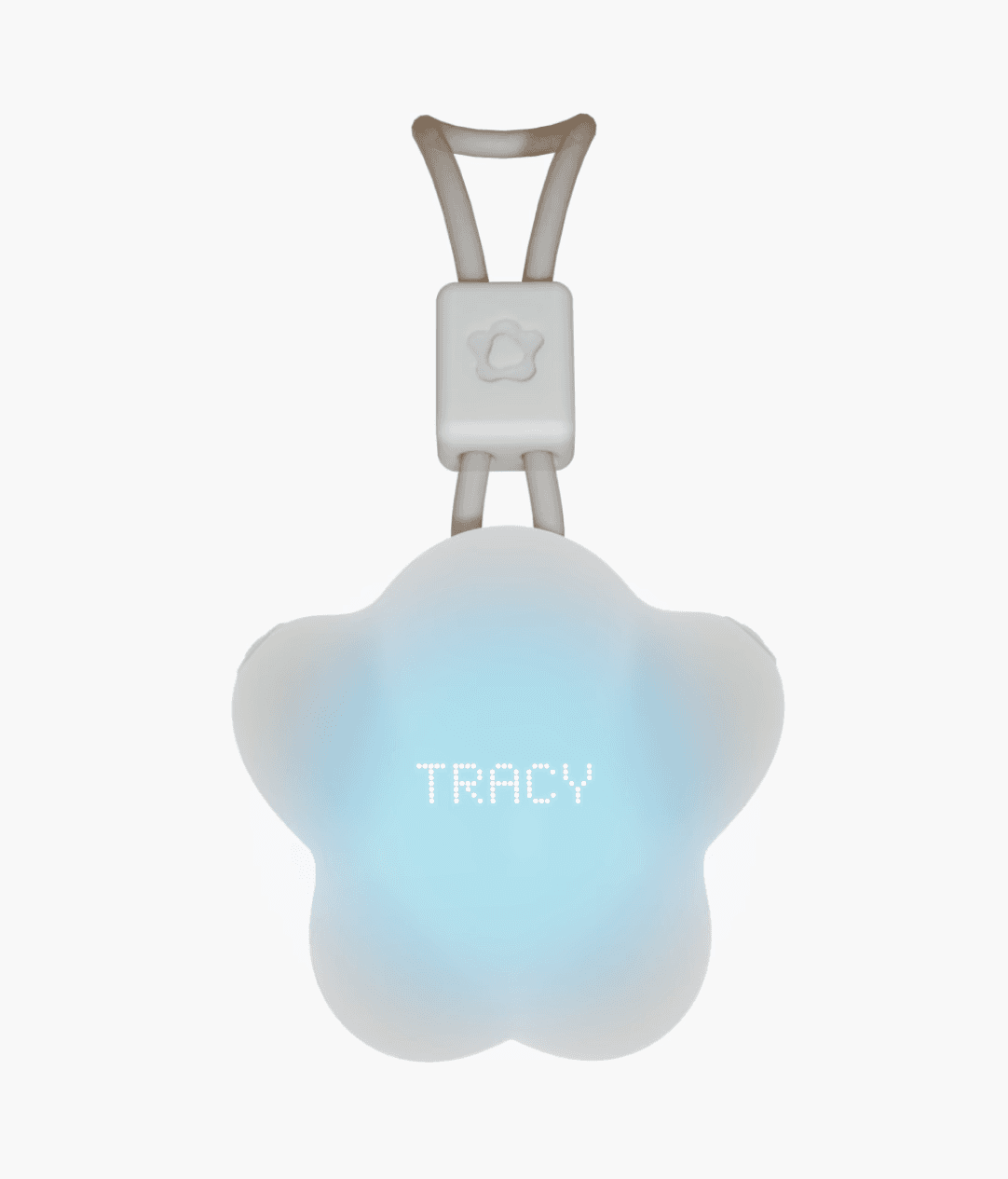
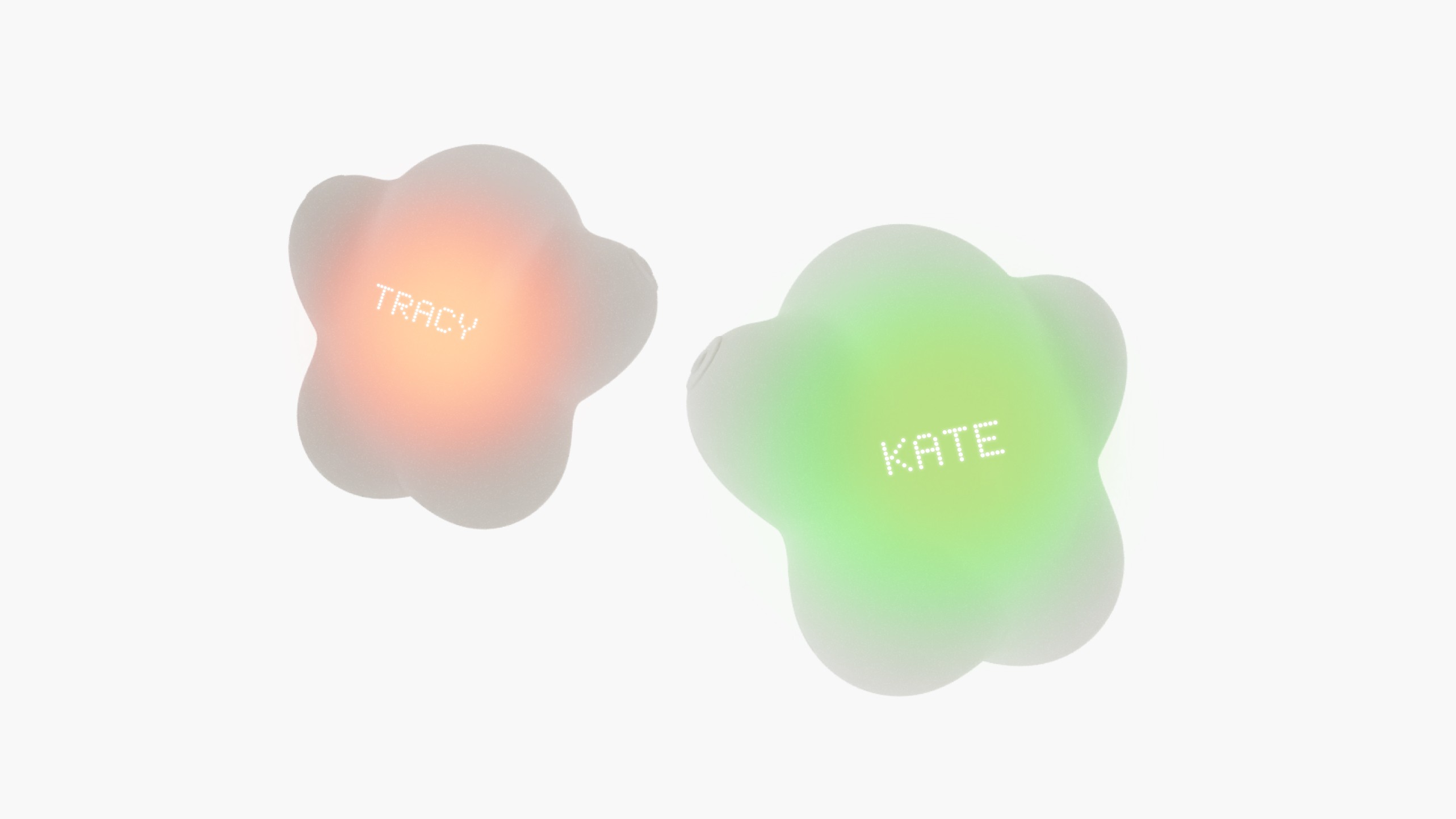
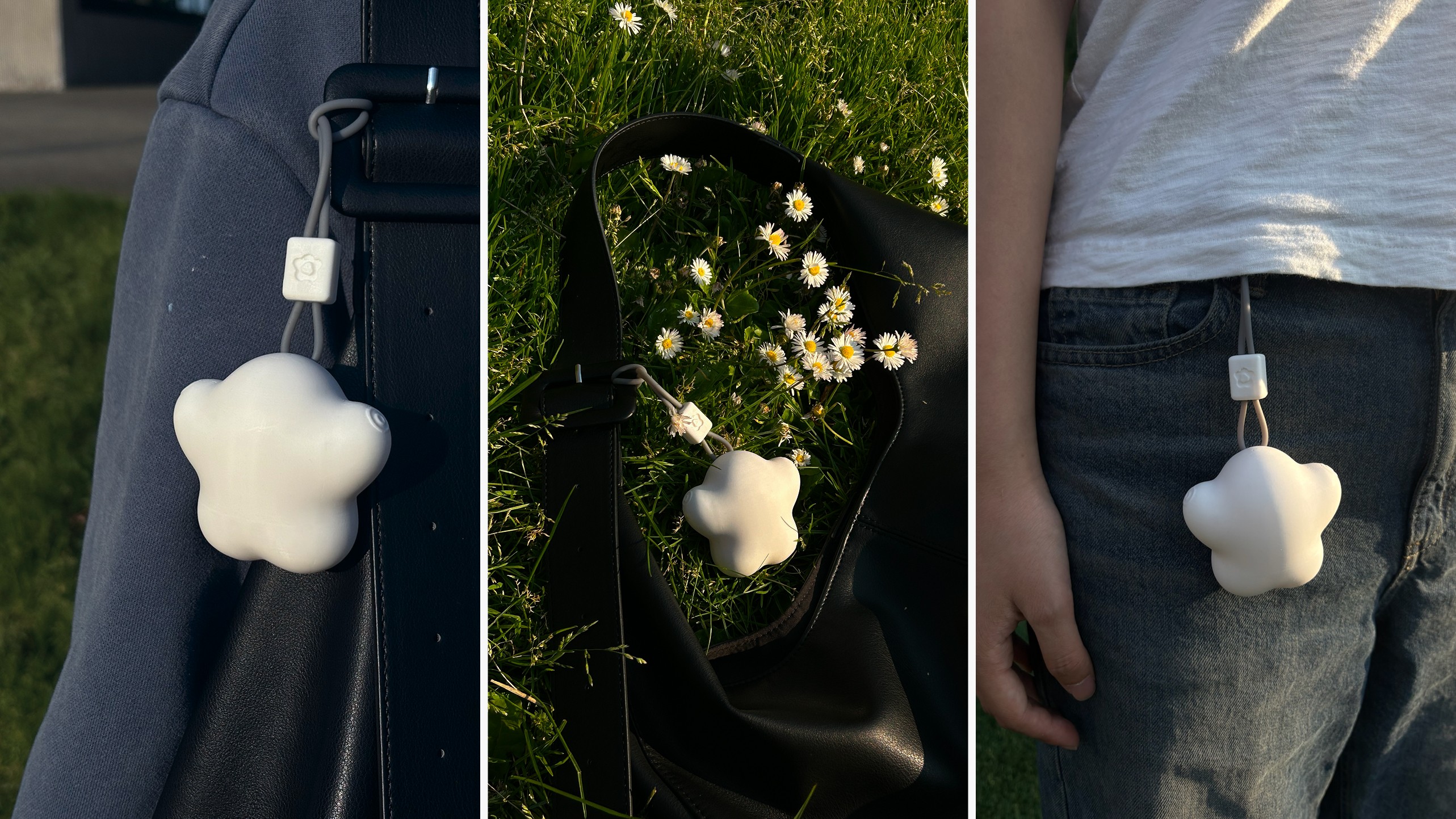
A pocket-sized keychain that senses when you cross paths with other Omro users. No profiles to scroll. Just a quiet device that notices patterns you can't see, and sparks connections when the moment is right.
Core flows
Find your Omro
Connect and activate your device through the app.
01 PAIR OMRO
Set up your invisible profile
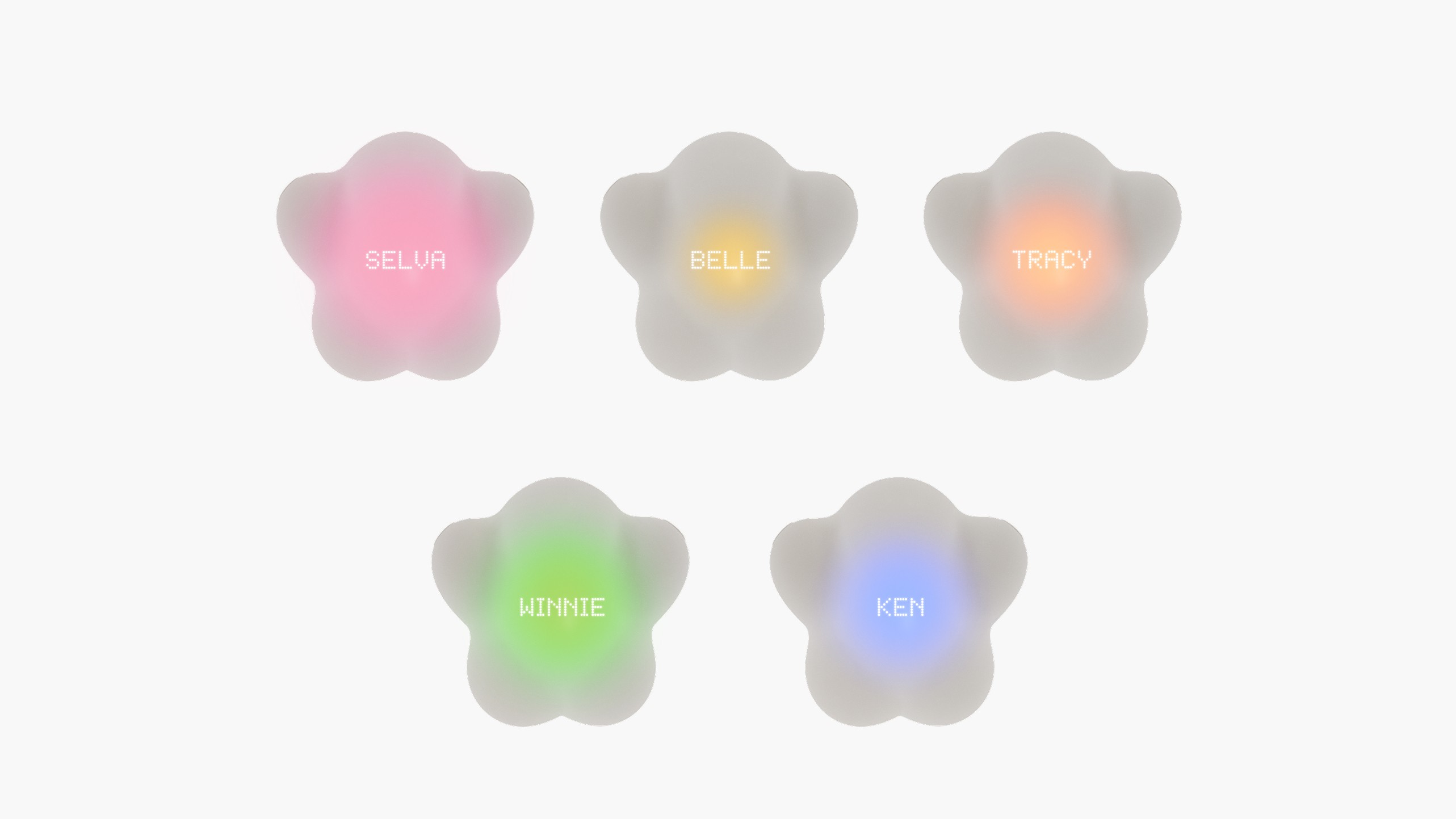
Pick a color to represent you, along with light traits and interests about yourself to determine compatibility and glow strength of encounters.
02 ONBOARDING
03 SAFETY
Rules to remember
Some guidelines and words of encouragement for using Omro with the right etiquette.
See who you've crossed paths with
When two Omro users pass each other, their devices exchange an invisible hello. After 2+ encounters, a connection appears in the app. Mark someone you want to meet — if it's mutual, your next encounter unlocks a real introduction.
04 CROSS PATHS
The meetup moment
When you cross paths again, the app prompts you to meet. Omro chooses a safe, public midpoint and enables quick-chat for coordination. Once you're nearby, use your Omro as a compass that points you toward each other.
05 MEET
Research
For more information on the process, see our process slides :-)
Form Ideation
Finding the right form.
Physical Prototyping
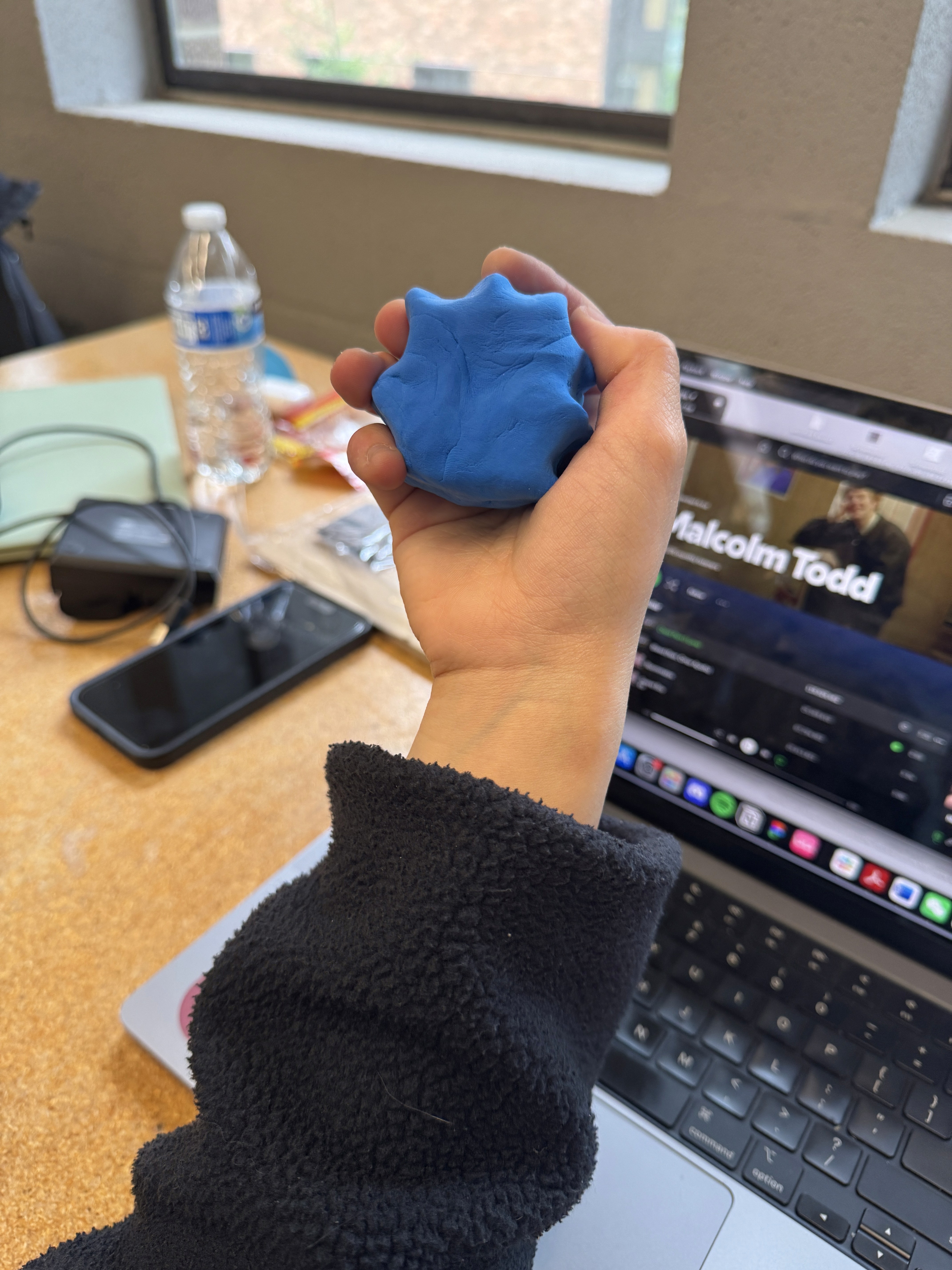
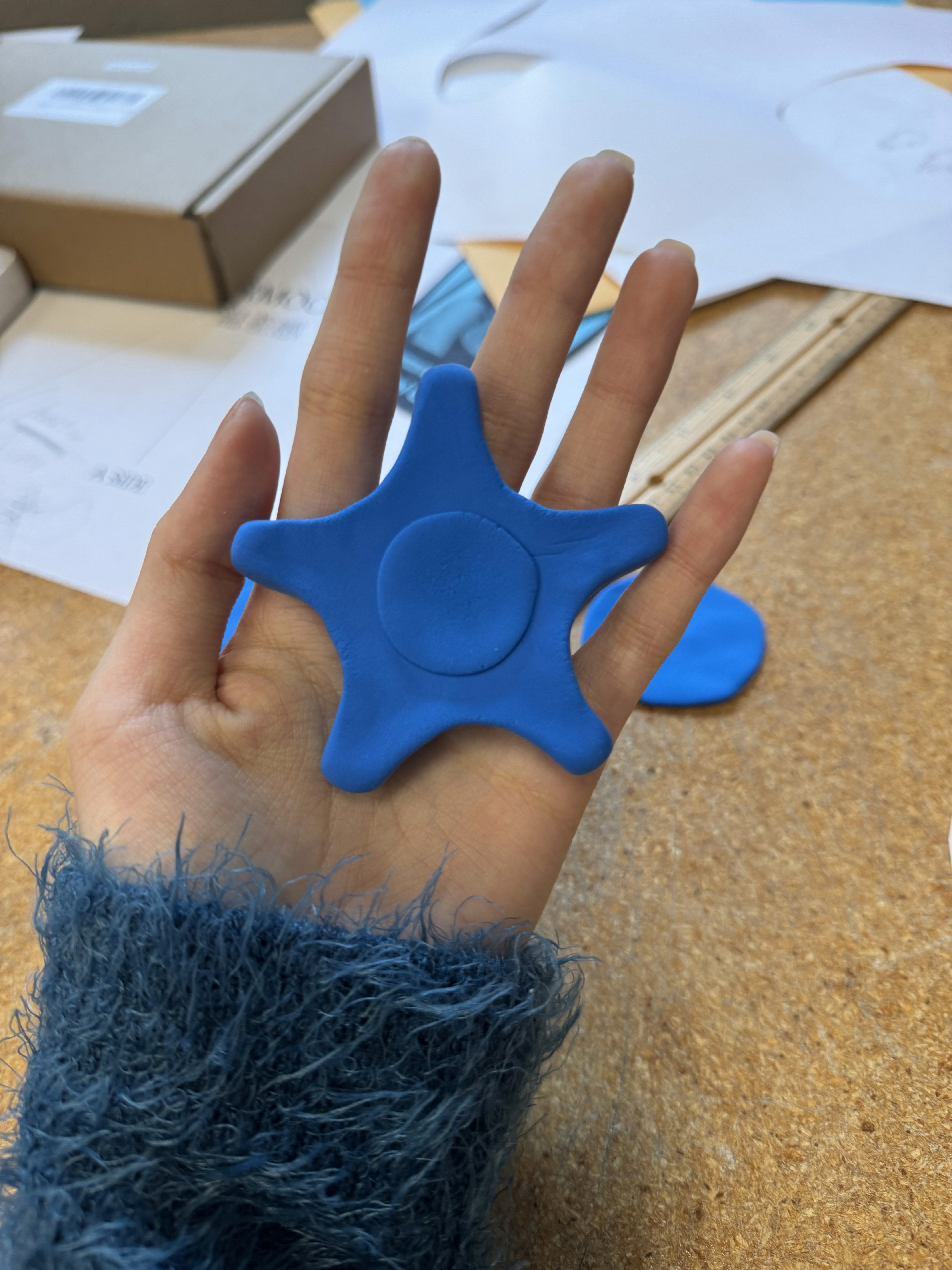
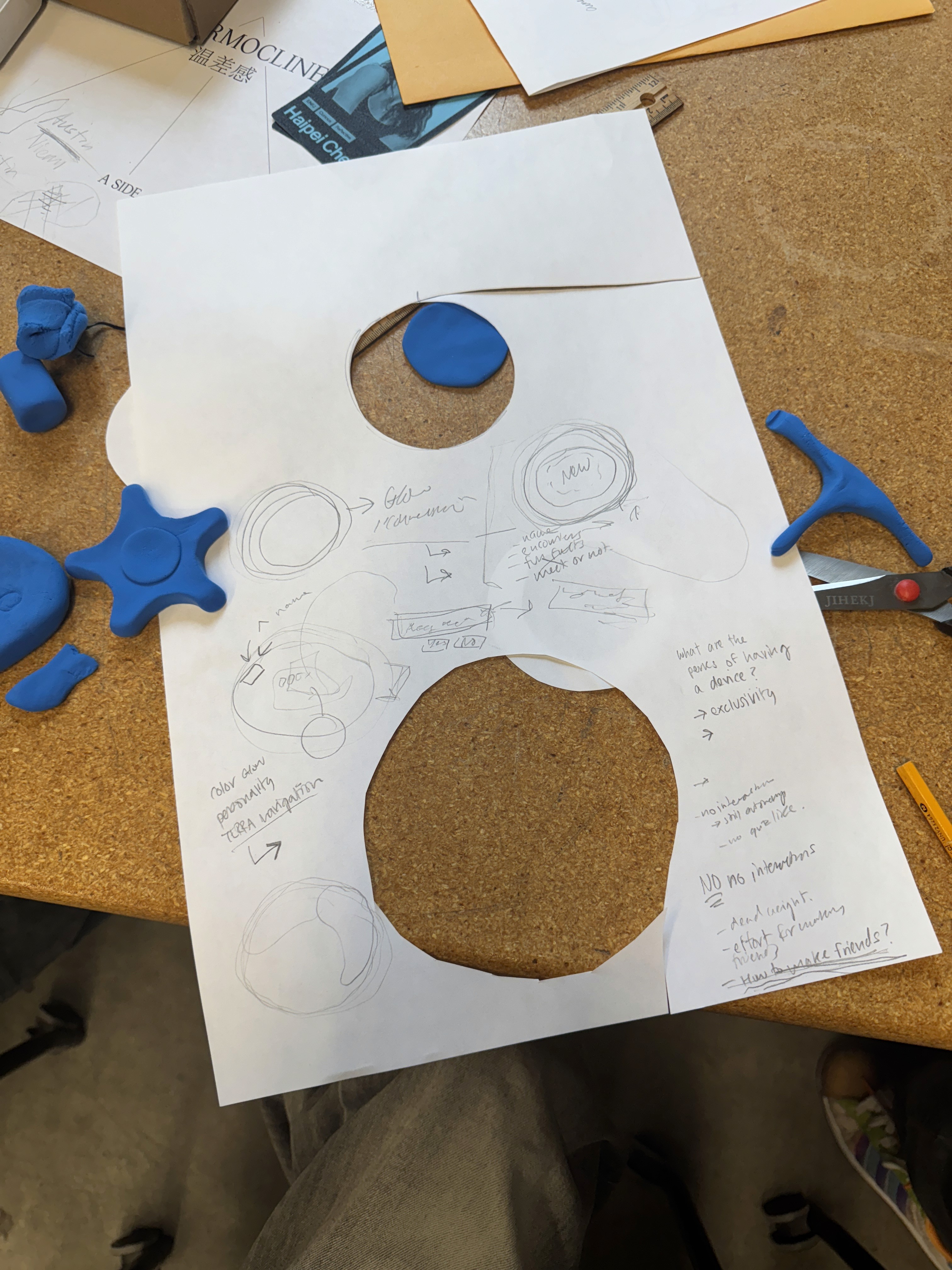
To find the right size, form, and function, we worked through a series of clay ideation workshops. We knew it needed to be pocket-sized — something you could attach to a keychain or bag — while still being large enough to display a name and status color clearly.
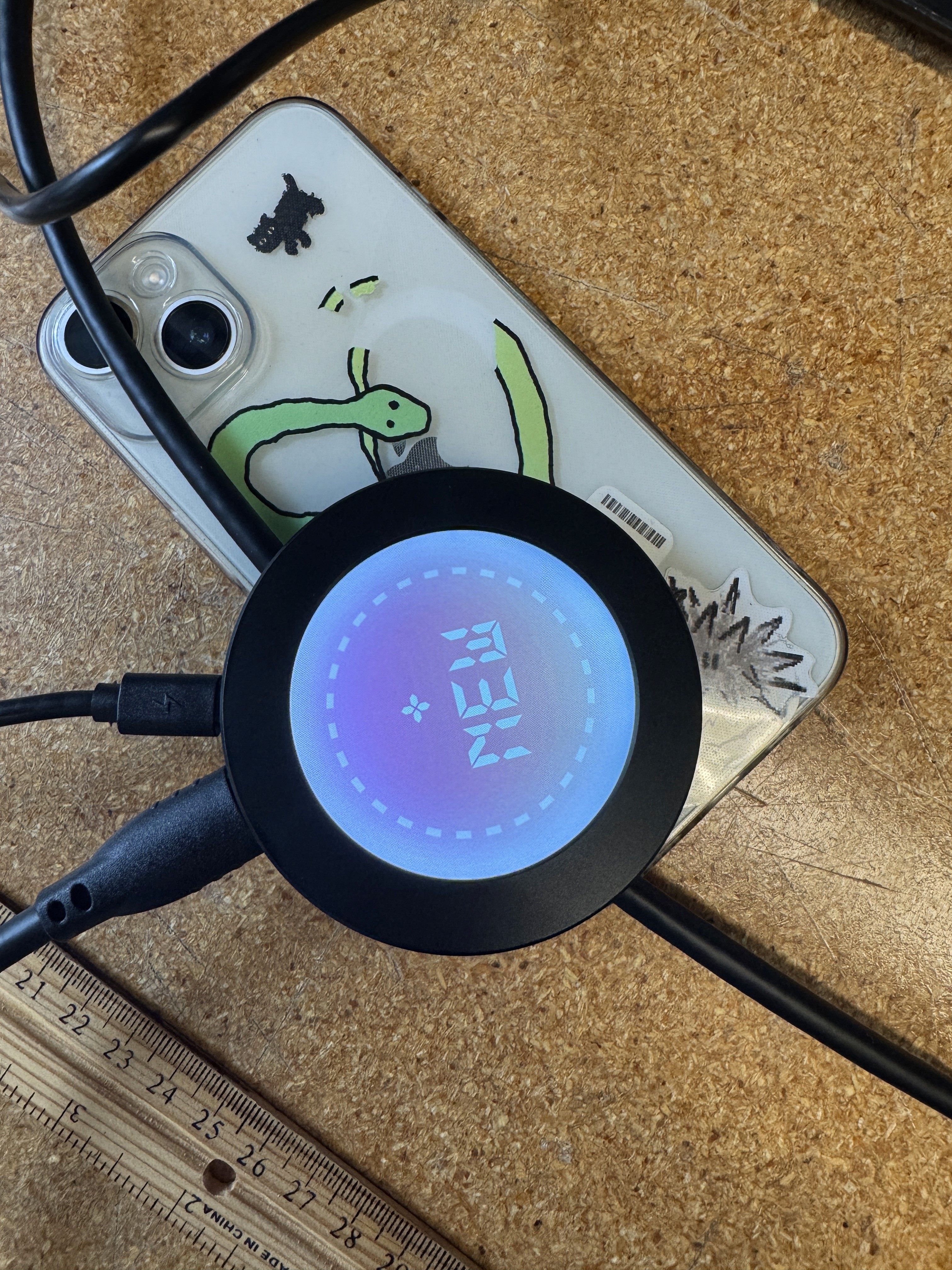
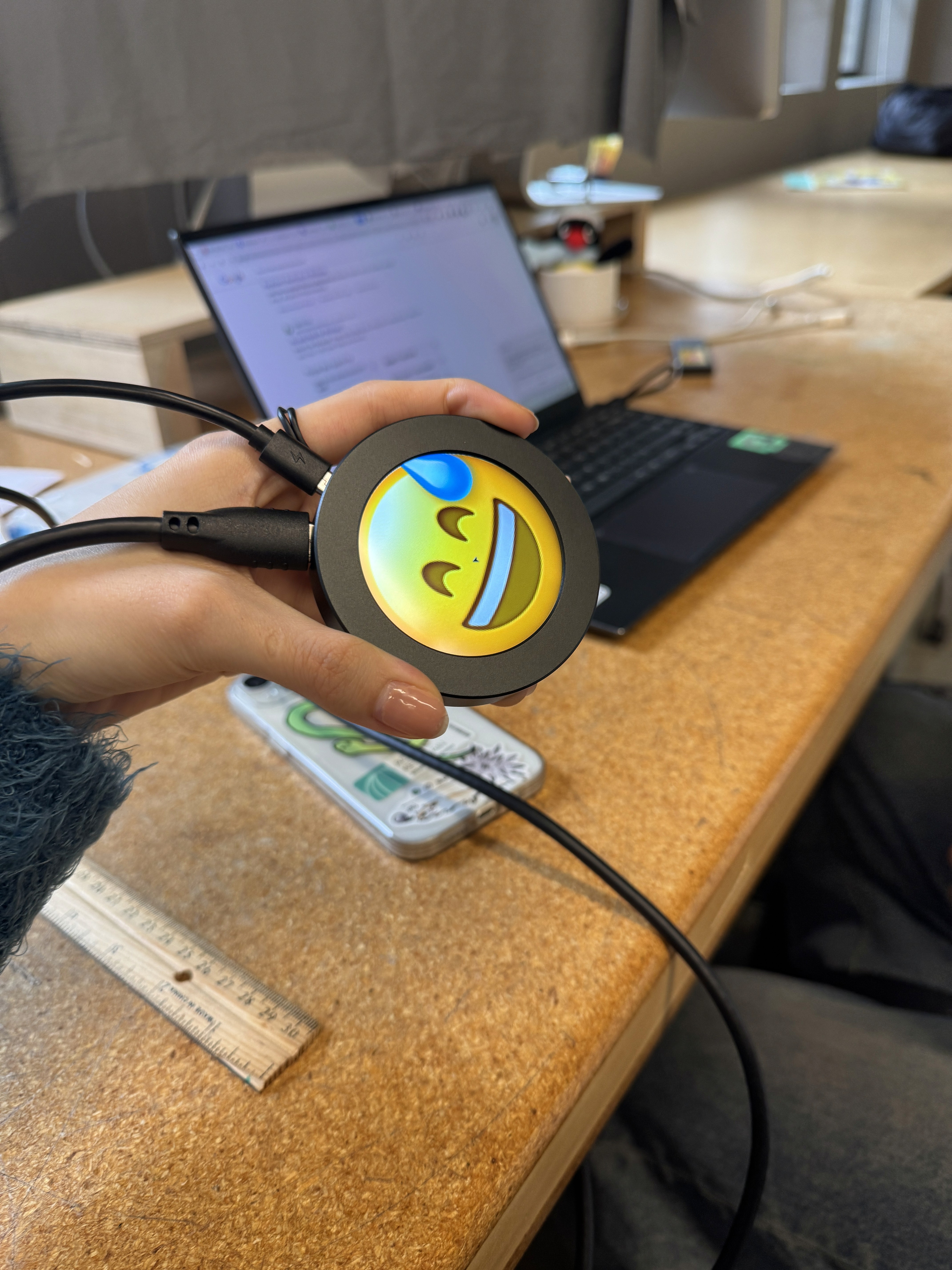
LED screen prototype (before it broke RIP)
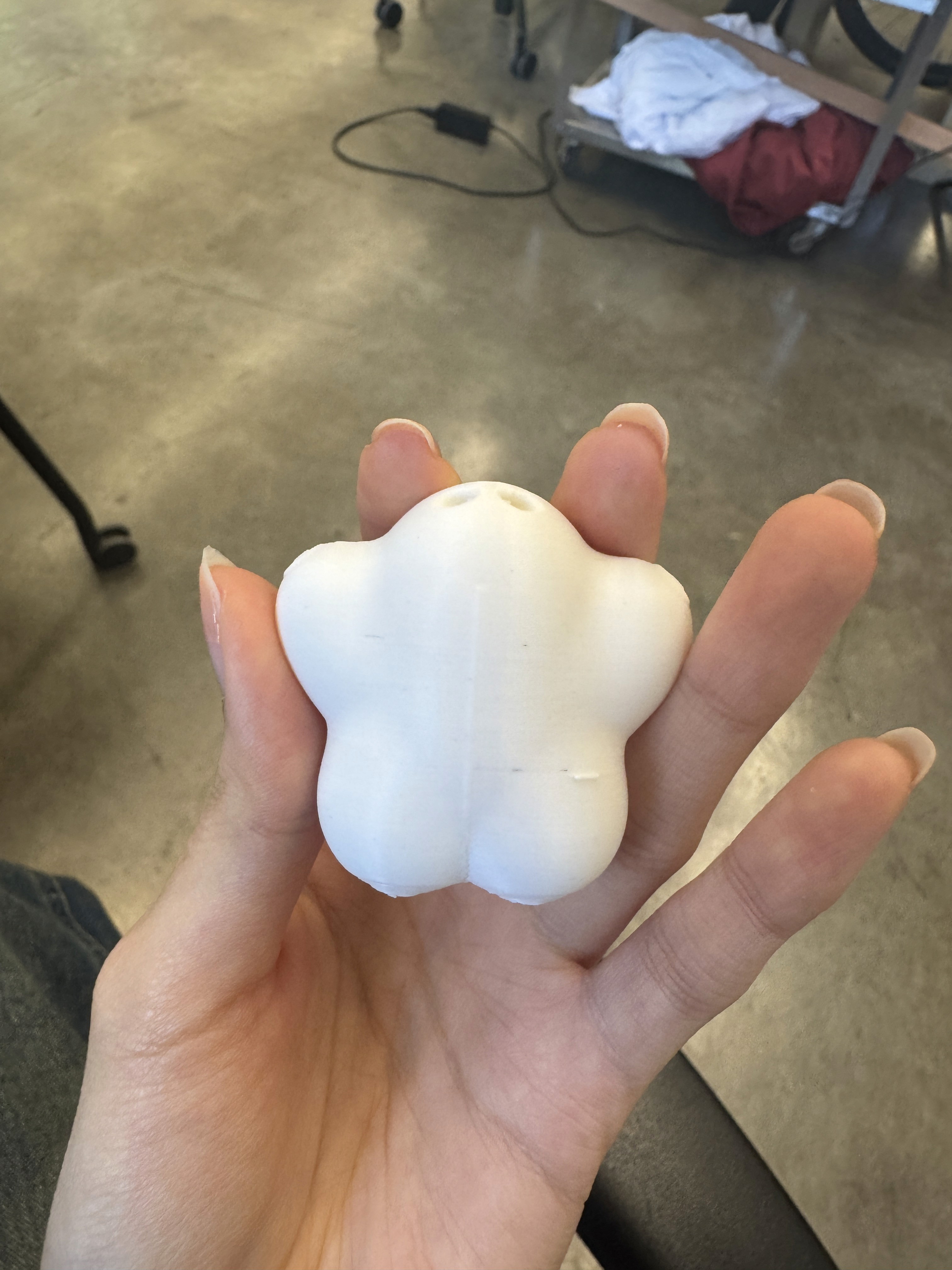
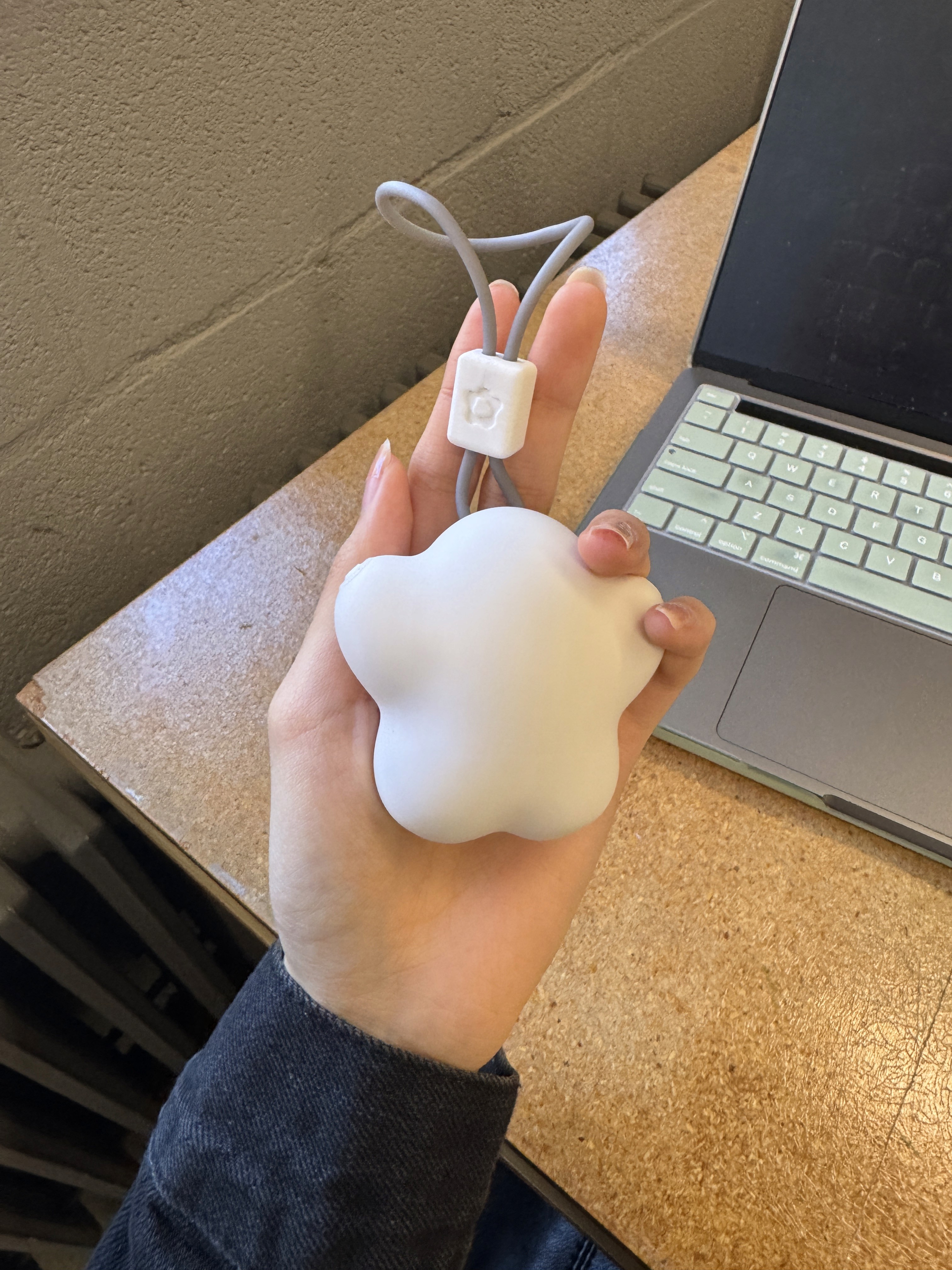
3d Omros printed by gerri!
Next Steps
What we'd do next
Validate the concept with real-world interactions.
User testing would be essential next. As a phygital experience, friction can occur between the device and app. Testing would help identify pain points, understand how people engage with alignments, and refine the interaction to feel seamless.
Engineer the mechanism.
Refine the passive detection system to ensure proximity sensing is accurate, battery-efficient, and reliable. The hardware needs to work seamlessly without constant charging or connection drops.
Build the brand's storytelling.
While the visual identity and messaging are established, expanding into marketing assets would be essential for launch. Creating campaigns that make serendipity feel tangible and inviting — not abstract or creepy — would be a fun creative challenge.
Looking Back
What I learned from Omro.
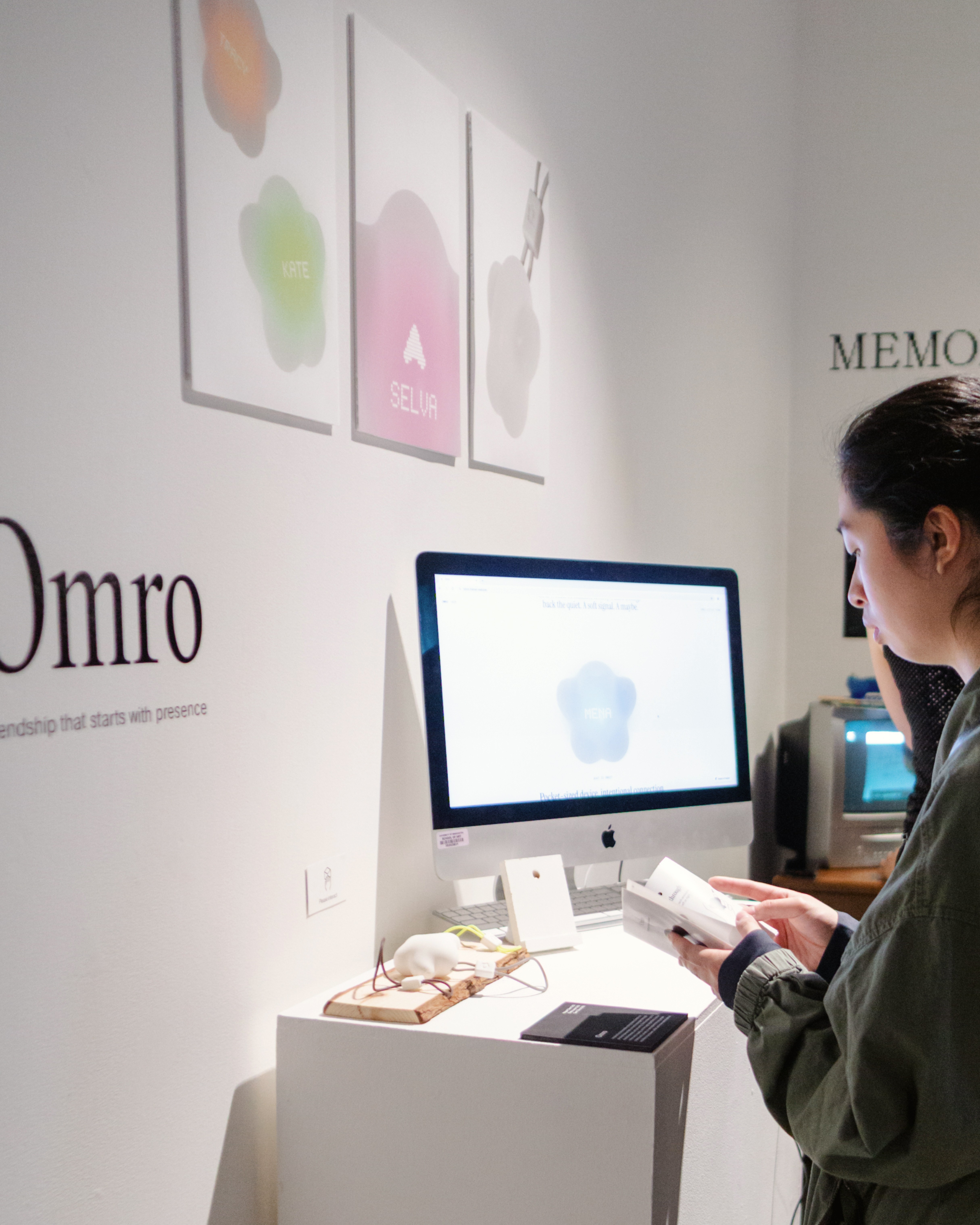
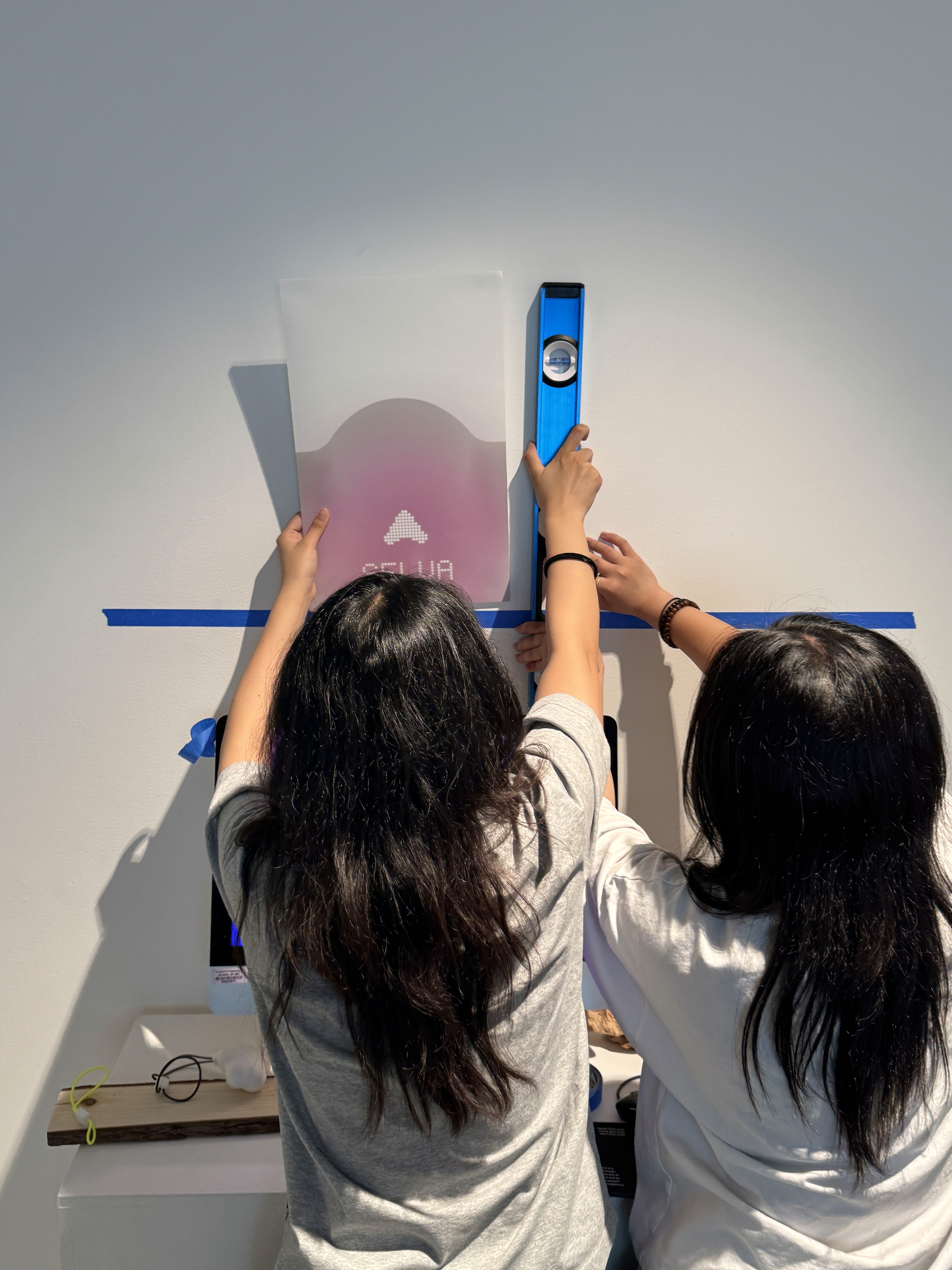
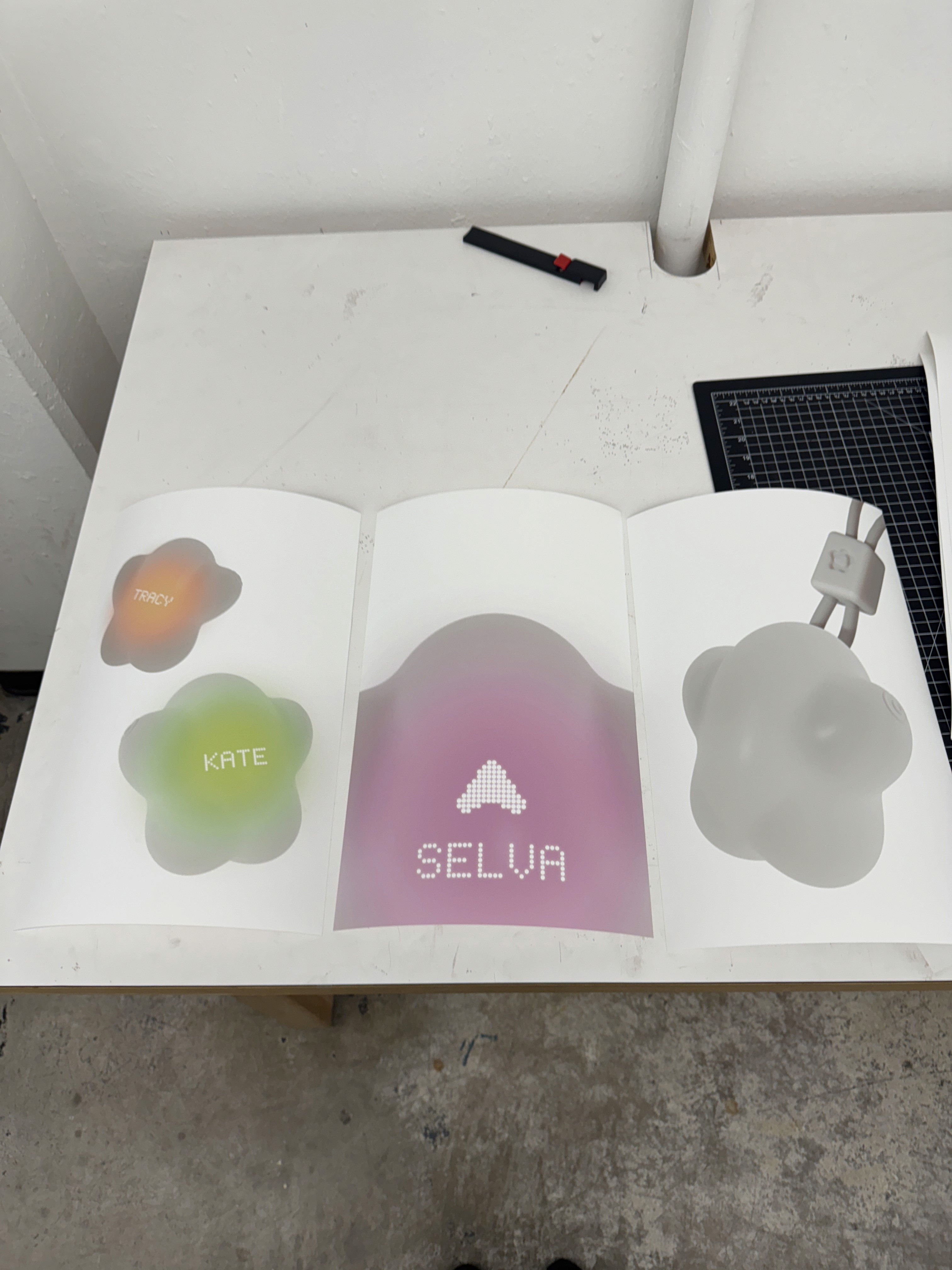
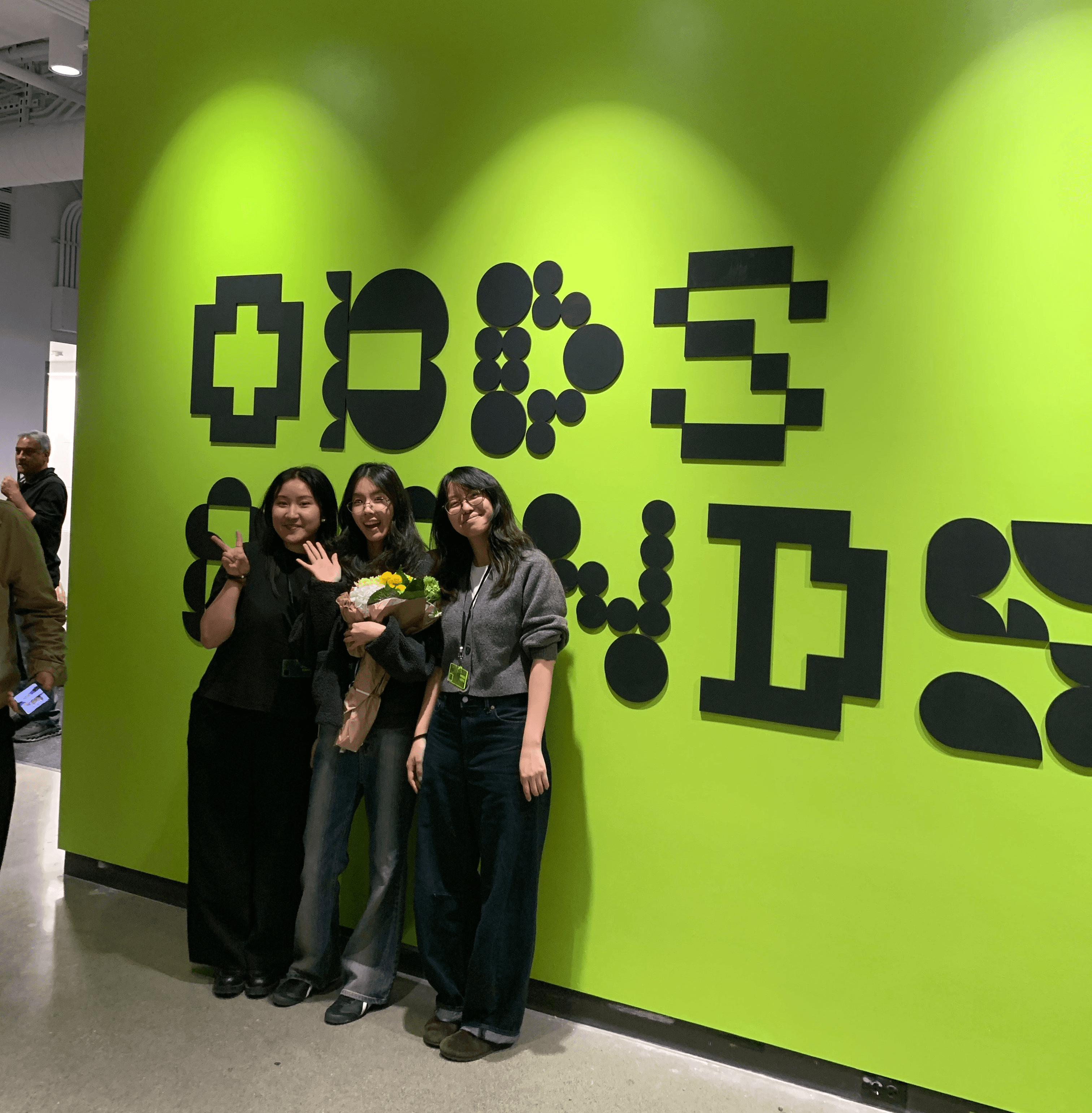
This project reminded me that the best work happens when you're building with people who care as much as you do.
WHAT I LEARNED
Thinking beyond just UI, but product.
I learned to think about how the physical device, digital interface, and brand narrative all work together — not as separate deliverables, but as one cohesive experience. It was ambitious and holistic, and it taught me how to think in systems, not just screens.
A great product means nothing without users.
The hardest part isn't building a great product — it's getting enough people to use it that it becomes valuable. Omro only works if you encounter other Omro users. This taught me that distribution and adoption strategy are just as critical as the design itself.